
Focus began as survival.
Early humans needed attention to read tracks, weather, fire, faces, danger, and opportunity. Focus was embodied, practical, and shared by the group.
Culture trained attention.
Language, craft, farming, writing, schools, and science all stretched human focus. Each era gave people new ways to remember, plan, practice, and concentrate.
The modern battle is access.
Today the problem is not that humans forgot how to focus. It is that distraction has become instantly available, personalized, portable, and profitable.
Attention was a survival skill.

Long before calendars, offices, schools, or screens, human focus meant staying alive. A hunter followed tiny changes in soil, broken branches, scent, wind, and animal behavior. A gatherer remembered which plants were useful, which were poisonous, and where they returned after rain. A child learned by watching hands, faces, fire, tools, and seasons.
This was not focus as productivity. It was focus as perception. The brain had to select what mattered from a noisy world: the track, the flame, the expression, the sound behind the trees. Distraction was not a harmless loss of minutes. It could mean missing food, danger, weather, or a signal from the group.
The same ancient attention system still lives inside us. We can lock onto a task, scan for risk, learn through repetition, and bond through shared attention. But that system was built for natural signals, not for infinite feeds engineered to refresh every second.
Fire created the first protected attention space.

When humans learned to control fire, focus changed. Fire extended the day, gathered people into circles, protected camps, cooked food, and made evening conversation possible. Around fire, humans could repair tools, teach skills, tell stories, and remember the day together.
This matters because focus is not only individual. It is environmental. A stable place, a repeated ritual, and a shared signal can hold attention. The fire was a primitive focus mode: light here, warmth here, people here, story here.
Modern focus tools work from the same principle. The mind concentrates better when the environment makes the right action easier and the wrong action less automatic.
Language made focus collective.

As symbolic language and storytelling became central to human life, attention could travel beyond the immediate moment. A person could describe a hunt that had already happened, warn about a valley no one in the group could see, or teach a child about a plant before touching it.
Language allowed humans to focus together on invisible things: plans, memories, gods, rules, routes, promises, and futures. This was one of the great upgrades in human attention. The group could hold an idea in common.
Every classroom, meeting, book, podcast, and article descends from this ability. Focus became something humans could coordinate.
Farming made focus seasonal and patient.

Agriculture changed attention from immediate response to long-term stewardship. People began to plan around planting, harvest, irrigation, storage, land, weather, and animals. Focus stretched across weeks, seasons, and years.
This is where routine became a survival technology. The same field needed repeated care. The same tools needed repair. The same stores needed protection. The mind learned a slower kind of concentration: not the sudden focus of danger, but the patient focus of tending.
The roots of productivity, discipline, habit, and calendar-based work were already present. Humanity learned that attention could be invested now for a reward much later.
Writing moved focus outside the mind.

With writing, memory became visible. Trade, law, myth, mathematics, taxes, contracts, and history could be stored outside the body. Focus changed because humans could return to the same mark, compare ideas, and build knowledge across generations.
The written word made deep focus possible in a new way. A person could sit with one problem longer than memory alone allowed. Reading and writing became technologies for attention because they slowed the mind down enough to inspect itself.
A clay tablet, papyrus scroll, notebook, or screen can all serve the same purpose: they give attention somewhere to land.
Philosophy turned focus inward.
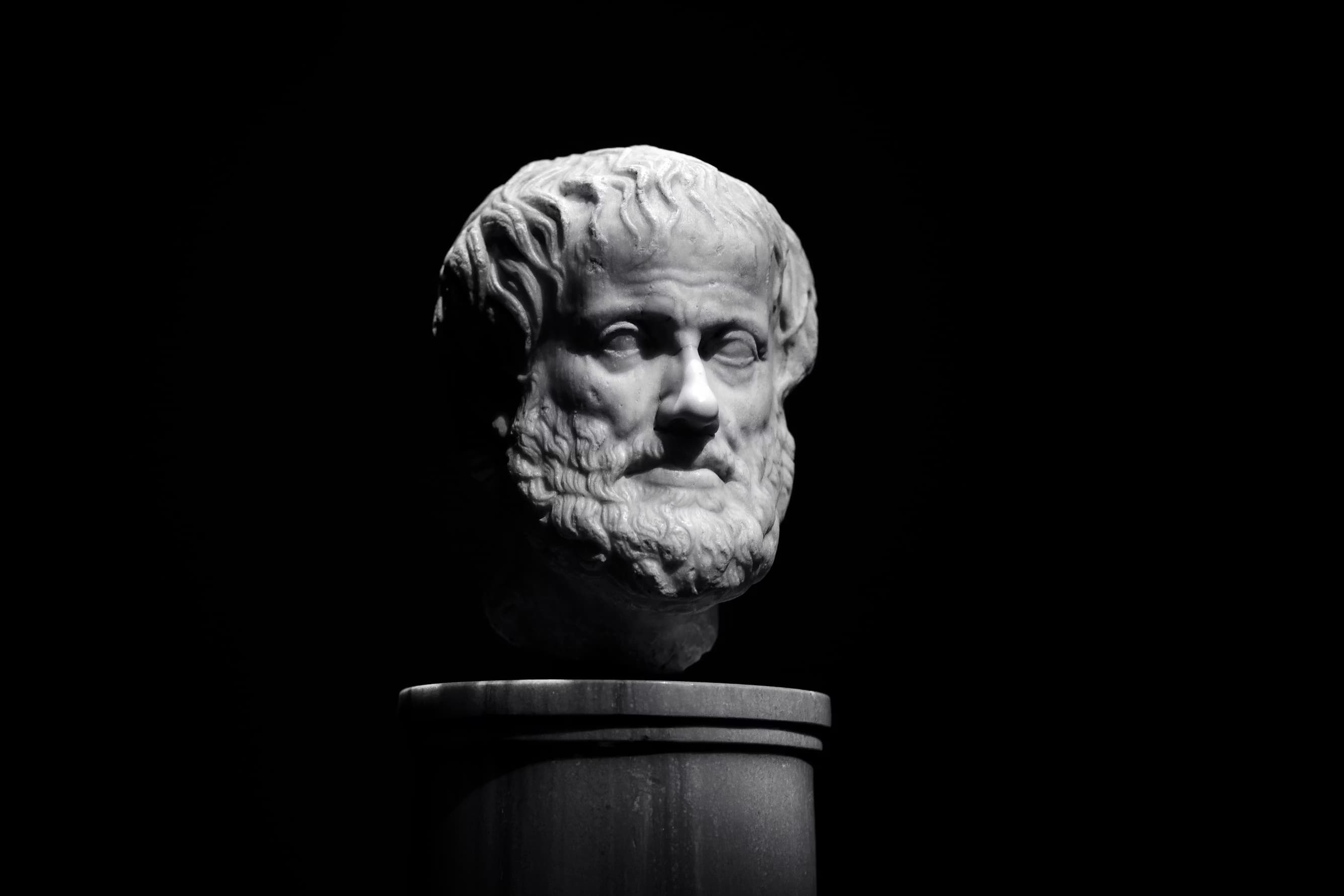
Ancient philosophical traditions in Greece, India, China, and elsewhere asked what the mind should serve. Attention was no longer only about survival, farming, or administration. It became a moral and practical question: what deserves our time, our discipline, and our presence?
Meditation, rhetoric, study, debate, and self-control all treated focus as something that could be trained. The human mind was powerful, but not automatically wise. It needed practice, restraint, and direction.
That idea is still modern. A focus app, a meditation practice, a study routine, or a quiet room all begin with the same assumption: attention can be shaped.
Monasteries and scholars made focus a daily architecture.

In monasteries, libraries, scriptoria, and early universities, focus became built into the day. Bells marked time. Rooms had purposes. Manuscripts were copied slowly. Reading, prayer, argument, and study were given protected hours.
This was one of history's clearest lessons about concentration: focus is easier when the environment is designed for it. The schedule, the room, the rule, and the community all protected attention before the individual had to fight for it alone.
Modern people often try to solve distraction with willpower only. History suggests something stronger: build structures around the mind.
Print made attention scalable.
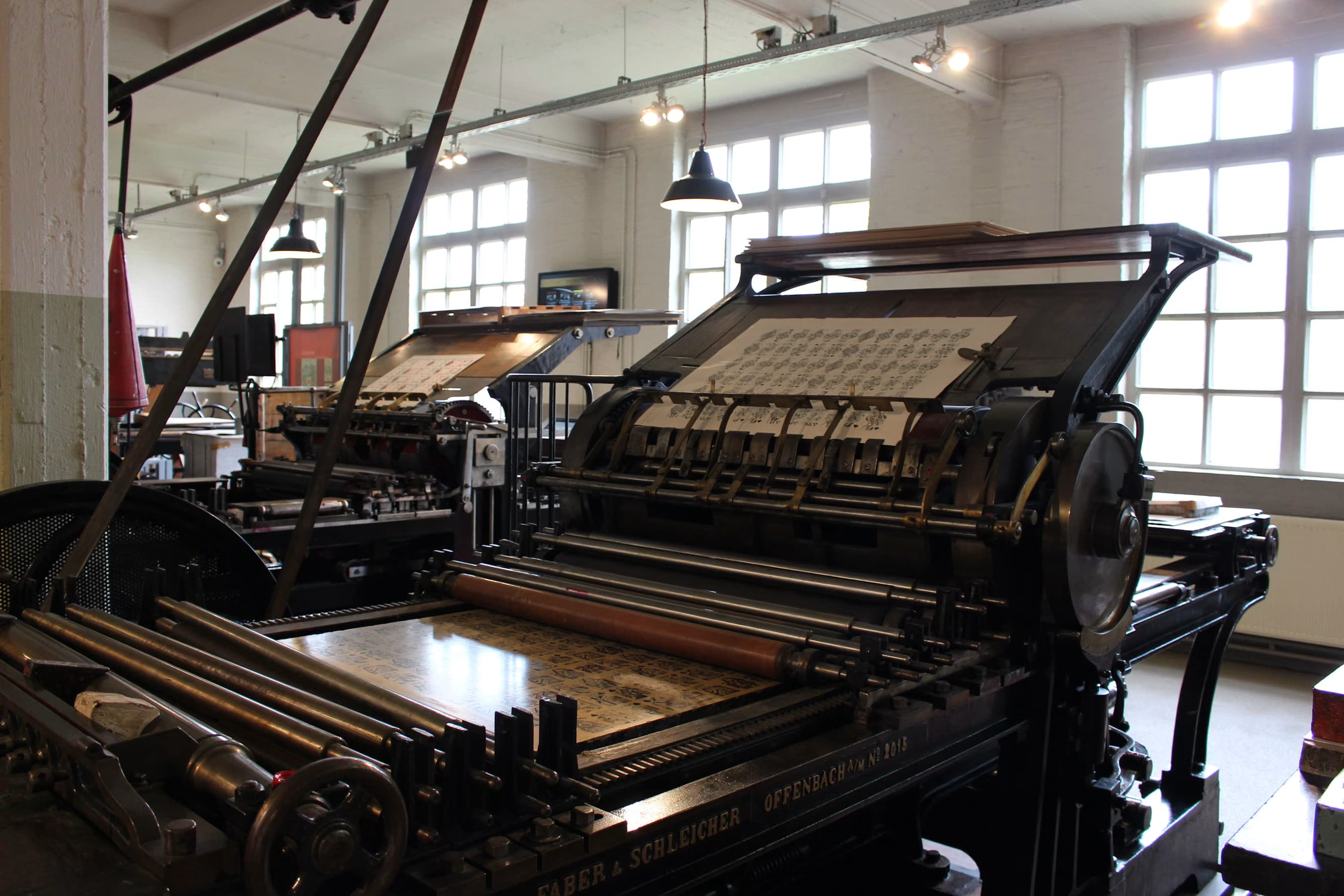
The printing press multiplied access to ideas. More people could study, compare, argue, learn, and specialize. Focus became connected to books, literacy, science, religion, politics, and public debate.
Print also created a new attention problem. More information meant more possibility, but also more competition for the mind. Readers needed judgment. Scholars needed methods. Societies needed schools, indexes, libraries, and norms for deciding what deserved attention.
Every information revolution repeats this pattern: first access expands, then attention becomes the scarce resource.
Industrial time reshaped concentration.
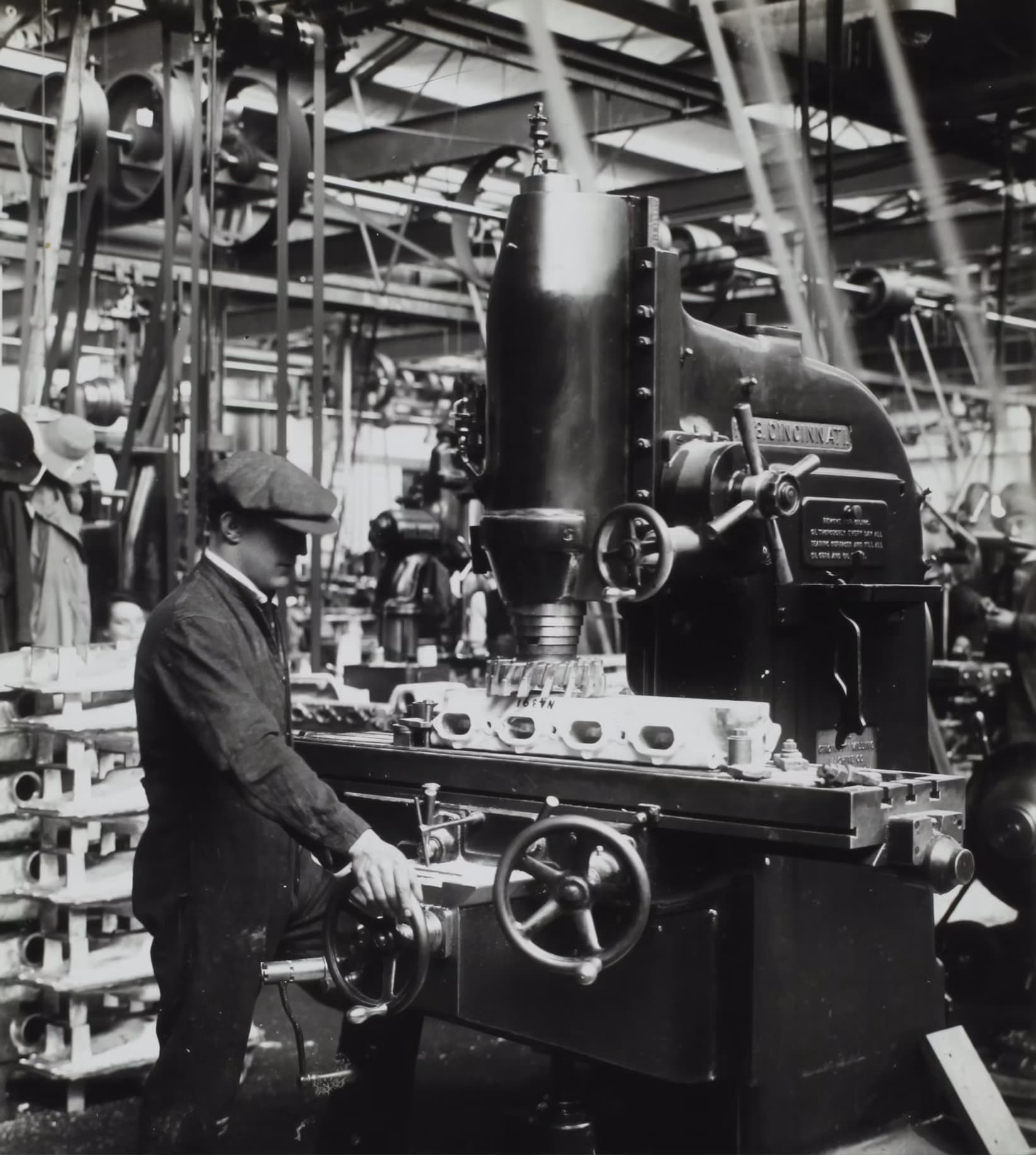
Factories, clocks, railways, schools, newspapers, and offices made focus more scheduled. Human attention was increasingly measured in hours, shifts, lessons, deadlines, and output.
This era gave us many modern ideas about productivity and work. It also created a tension that still matters: the difference between focused human effort and attention managed by systems built for speed, scale, and efficiency.
The clock made coordination powerful, but it also taught people to split life into units. Focus became something that could be bought, sold, interrupted, and optimized.
Psychology gave attention a name.
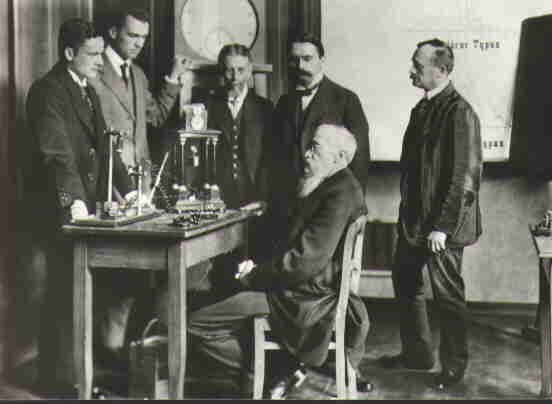
As psychology became a formal science, attention moved from philosophy into experiments, textbooks, and laboratories. Thinkers such as William James described attention as the mind taking possession of one object among many possible objects.
That definition still feels accurate in the age of phones. The mind is always surrounded by possible objects: messages, feeds, tasks, people, memories, worries, and plans. Focus is the act of choosing one and holding it long enough for meaning to form.
The science of attention made one thing clear: distraction is not the exception. Selection is the work.
War rooms and control panels exposed the cost of overload.
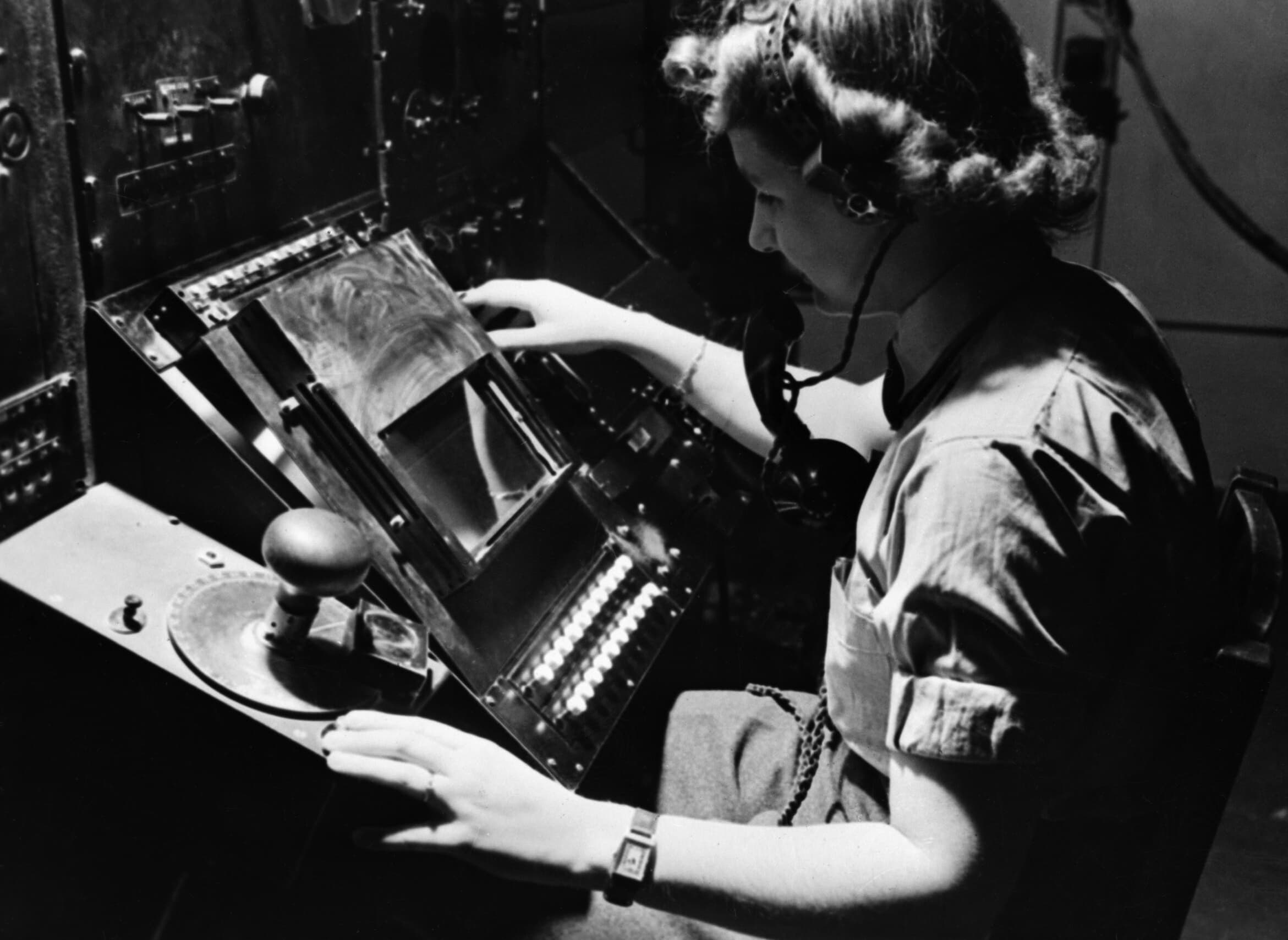
During the Second World War and the decades after it, radar screens, aircraft cockpits, codebreaking rooms, and control systems made attention a matter of life, coordination, and design. People had to watch signals for long periods without missing the rare event that mattered.
This pushed human factors research forward. Designers began to understand that attention depends on interfaces: how information is arranged, what is emphasized, what is hidden, what alerts the user, and what creates fatigue.
The lesson applies directly to modern apps. Interfaces are never neutral. They either protect attention, consume it, or scatter it.
Personal computers turned focus into a digital workspace.
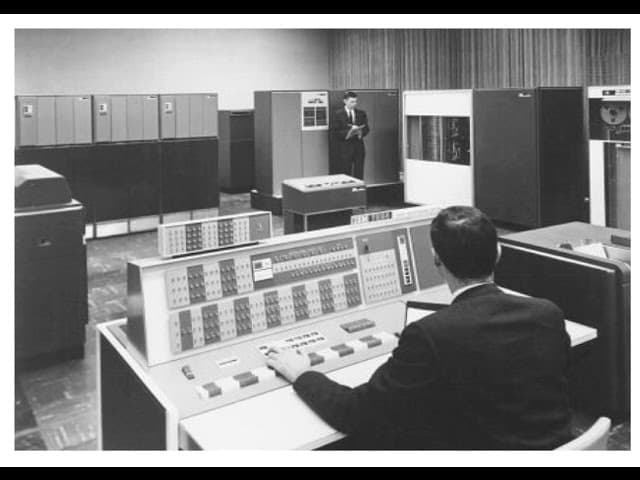
Computers began as institutional machines, then slowly became personal workspaces. Text editors, spreadsheets, databases, and programming environments gave people new ways to think, calculate, write, and build.
At their best, computers expanded focus. They let one person create documents, models, software, music, and businesses with tools that once required entire organizations. The screen became a desk, a library, a calculator, and a workshop.
But the same screen also prepared the next problem: when every tool lives in the same place, every distraction can live there too.
The web made attention global.

The public web connected documents, people, markets, news, communities, and entertainment into one searchable environment. For the first time, a person could jump from a work task to a newspaper, a forum, a game, a shop, or a stranger's opinion in seconds.
This was extraordinary for learning. It was also the beginning of permanent context switching. The mind no longer had to wait for distraction to arrive. It could request distraction instantly.
Search engines organized information. Later, platforms learned to organize desire.
Steve Jobs introduced the iPhone and put the internet in the hand.

In 2007, Steve Jobs introduced the iPhone as a phone, an iPod, and an internet communicator in one device. It was a brilliant product moment because it collapsed many tools into one object people could carry everywhere.
The iPhone also changed the geography of attention. The internet was no longer mostly at a desk. It moved to the couch, the bed, the bus stop, the classroom, the dinner table, and the quiet second before sleep.
This was not only a device shift. It was a behavioral shift. Focus now had to compete with the entire digital world in the palm of the hand.
Social feeds learned the rhythm of the thumb.

As smartphones spread, social platforms refined the feed. Infinite scroll, likes, notifications, algorithmic ranking, short video, streaks, and recommendations made attention feel effortless to spend and hard to stop spending.
The old human attention system was now meeting a new kind of environment: personalized, portable, social, emotional, and constantly refreshed. The feed did not need to force people to stay. It only needed to make leaving slightly harder than continuing.
Doomscrolling became a modern word for an old vulnerability: the mind following signals because the next signal might matter.
Transformer models made attention a machine architecture.
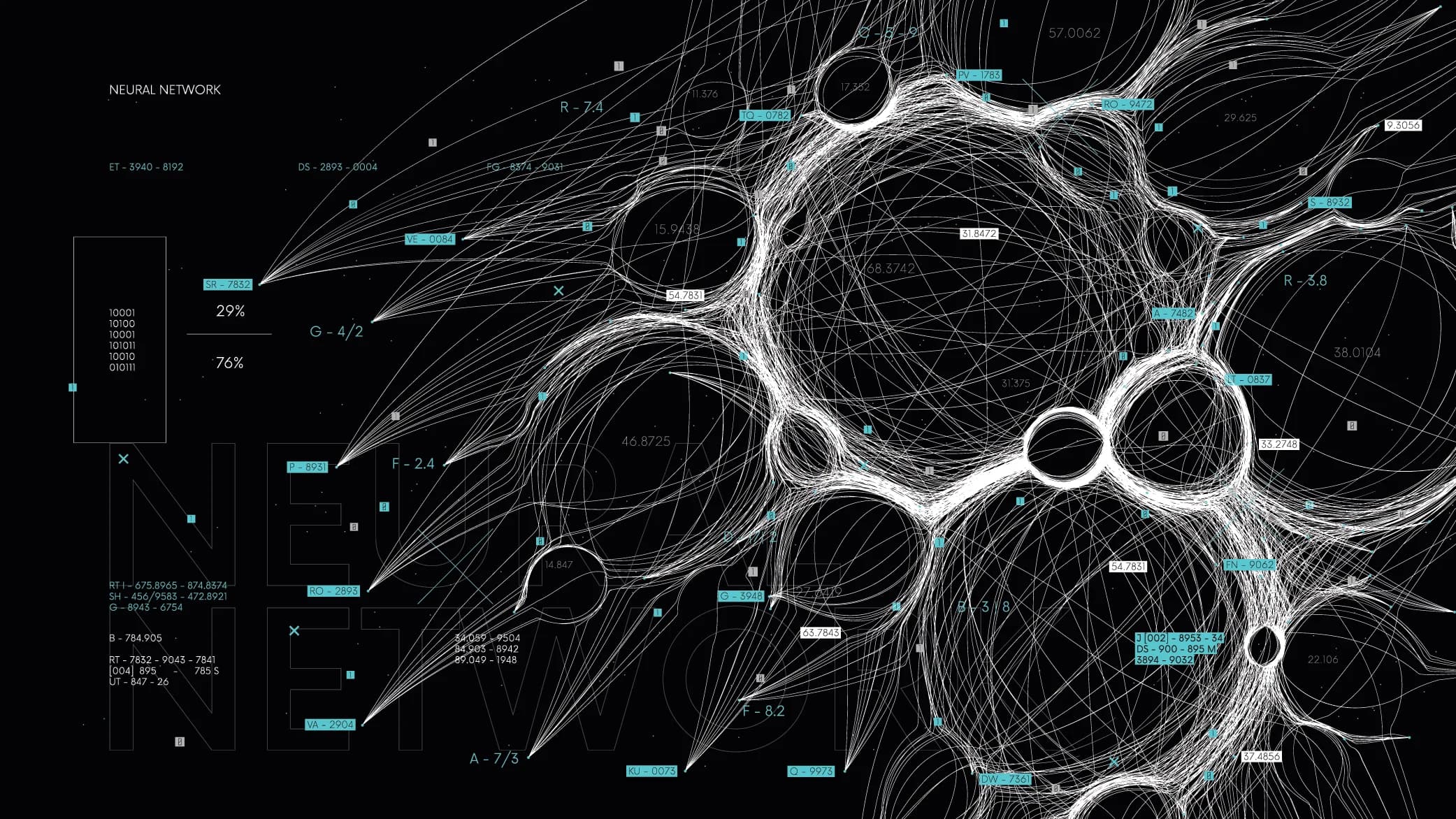
In 2017, the research paper 'Attention Is All You Need' introduced the Transformer architecture, a breakthrough in artificial intelligence. Its core idea was technical, but the metaphor is striking: even machines became more powerful when they learned what parts of information to attend to.
Self-attention allowed models to weigh relationships between words and tokens across a sequence. This helped unlock the path toward modern language models, translation systems, coding assistants, and generative AI.
The historical irony is sharp. While AI systems became stronger by improving attention, humans entered a period where our own attention was increasingly fragmented by the tools around us.
Generative AI made focus more valuable, not less.

Generative AI can write, summarize, code, search, translate, design, and answer. That makes focus even more important. When creation becomes faster, the scarce skill is knowing what to ask, what to ignore, what to trust, and what deserves a human hour.
The future does not belong to people who consume the most information. It belongs to people who can choose a direction, stay with it, and use powerful tools without being used by them.
Attention is becoming the difference between reacting to the world and shaping it.
Humanity needs to reclaim focus.

Today people search for focus apps, app blockers, screen time control, deep work tools, ADHD focus help, social media detox, and ways to stop doomscrolling because the old instinct is under pressure. We are not weak for being distracted. We are human beings living inside systems that make distraction effortless.
The history of focus teaches a clear lesson: humans focus best when environments support intention. Fire circles, farms, libraries, monasteries, classrooms, offices, and laboratories all protected attention in different ways. The next version has to protect attention inside the phone.
haegr exists for this moment. It helps create calm boundaries around distracting apps so focus can become available again: for work, study, sleep, relationships, recovery, creativity, and the ordinary parts of life that deserve our attention.